
While moscow Rattles Its Sabers, Tbilisi and Tashkent Are Opening New Routes to Europe that Bypass russia
9/2/2026
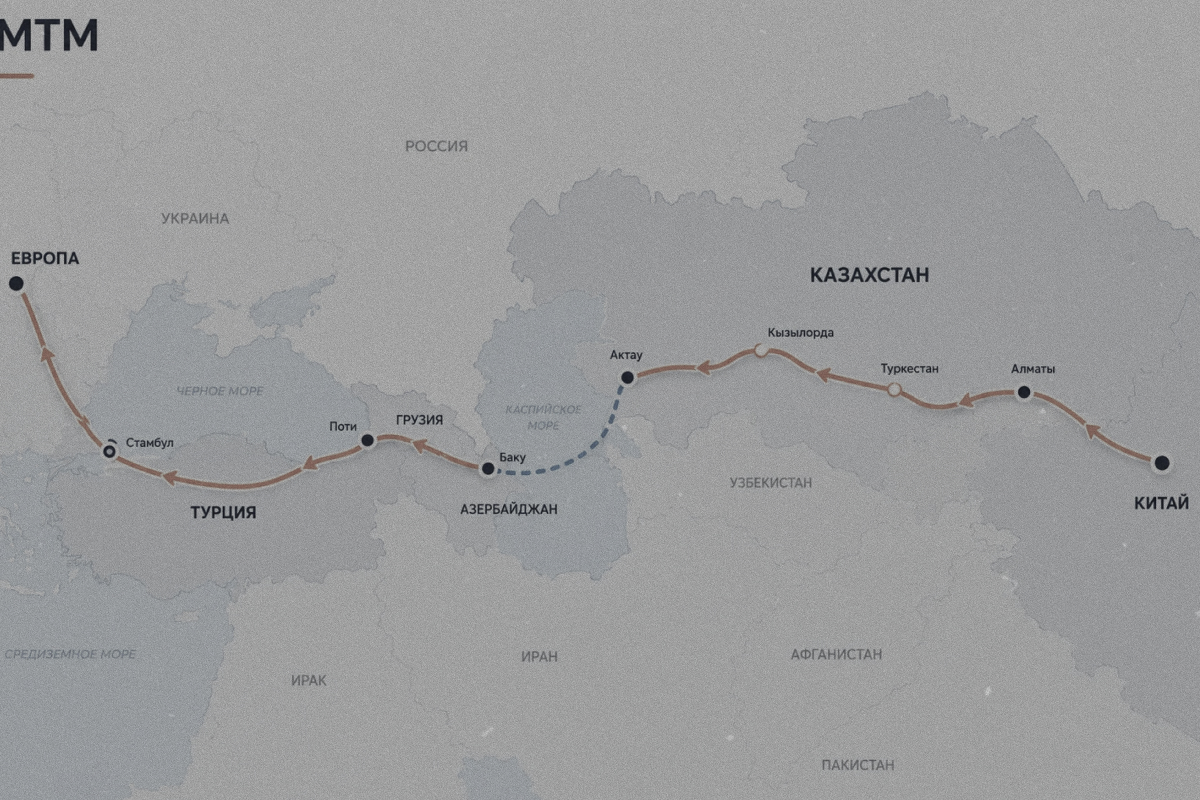
Georgia and Uzbekistan have announced their intention to participate more actively in the Trans-Caspian International Transport Route, also known as the “Middle Corridor”. According to national experts, this should ensure sustainable economic growth for these countries. At the same time, investments in the new route significantly reduce dependence on major regional players, primarily russia.
Over the past year, Georgia has made a true geopolitical pivot toward Central Asia. Tbilisi has established strategic partnerships with Kazakhstan and Uzbekistan and views these ties through the lens of long-term planning across a range of areas, particularly trade and transportation logistics. In an era of global challenges, such alliances can become a crucial component of long-term stability for “small states”, which is, at the same time, equivalent to their defense capability.
Uzbekistan is also pursuing a Western-oriented foreign policy, seeking to minimize its dependence on russia and consolidate its own sovereignty. Therefore, the project is mutually beneficial. Through the upgraded infrastructure of the Georgian ports of Poti and Batumi on the Black Sea, Tashkent gains access to its third-largest trading partner – the European Union. Tbilisi, in turn, gains access to the rapidly growing markets of East and North Asia thanks to Uzbekistan and other Trans-Caspian countries.
Additional potential lies in the creation of new logistics chains: “China – Kyrgyzstan – Uzbekistan – Turkmenistan – Azerbaijan – Georgia – Türkiye – EU”; “India–Pakistan–Afghanistan–Uzbekistan–Kazakhstan–Azerbaijan–Georgia–EU”. These routes combine the “China–Kyrgyzstan–Uzbekistan” railway and the Trans-Afghan Railway Corridor. All of this makes it clear that russia is no longer even being considered, even though, until very recently, none of these projects could have even been discussed without moscow’s permission.
According to World Bank estimates, by 2030, freight volumes via the Trans-Caspian International Transport Route will reach 11 million tons, of which 4.4 million tons will be in transit, including 1.3 million tons of Uzbek cargo bound for Europe.